01 / Understanding the young minds
Designing for curiosity, not compliance.
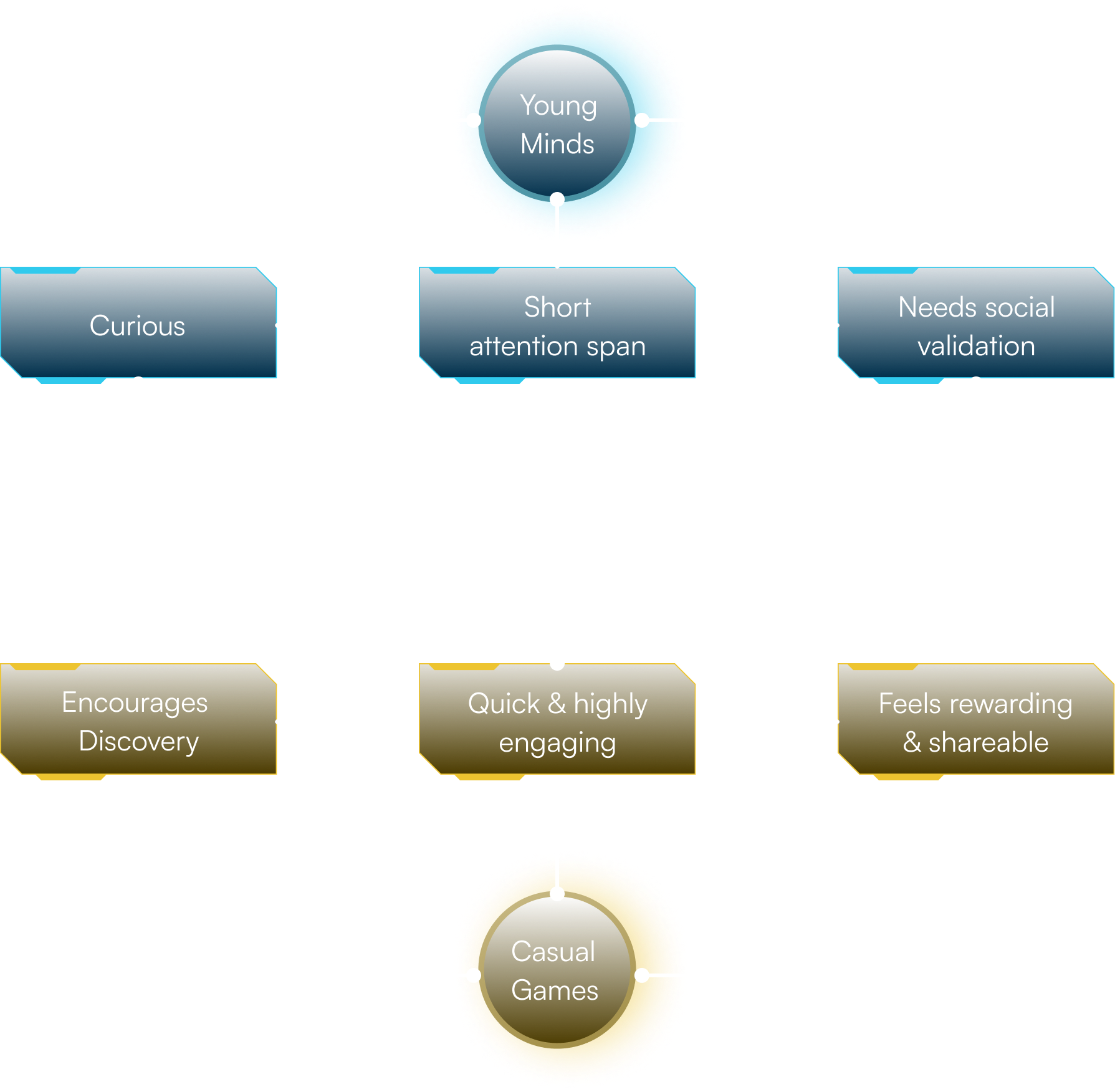
As an elder sister, I'd watched my siblings grow and picked up some sense of how children in this age group behave: naturally curious, eager for new experiences, and — as they form their own identities — often looking to learn and share knowledge for social validation among their peers.
Unlike the training-focused projects I usually work on, this one's goal was to engage and captivate, not to measure effectiveness. That shift gave the team more room to think creatively about how to connect with a young audience.
Curious. Naturally eager to dive into new and exciting experiences — the format needed to encourage discovery.
Short attention span. Whatever we built had to be quick and highly engaging from the first few seconds.
Needs social validation. The experience had to feel rewarding, and worth sharing with peers.
Drawing on that behaviour, I proposed a casual game format — a genre celebrated for its accessibility, vibrant visuals, and fun mechanics, which lined up well with OceanX's goal of sparking interest in marine exploration.
02 / Mechanics and lore
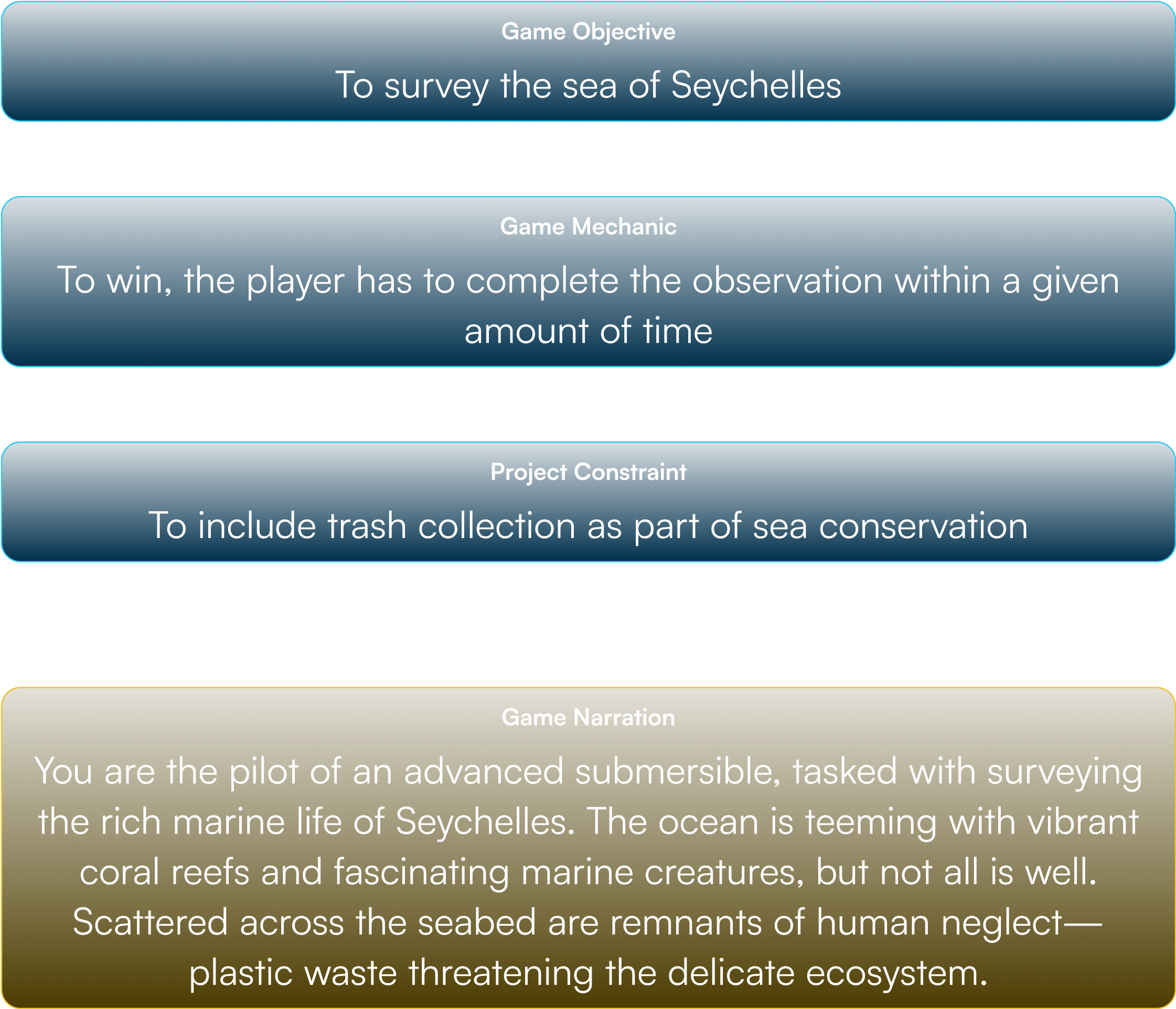
Marrying game mechanics and constraints into a lore.
Game mechanics vary only slightly across most casual games. What actually speaks to players is the storyline — the lore. To immerse young players in why marine conservation matters, the lore needed to be meaningful yet approachable, and blend seamlessly with the mechanics.
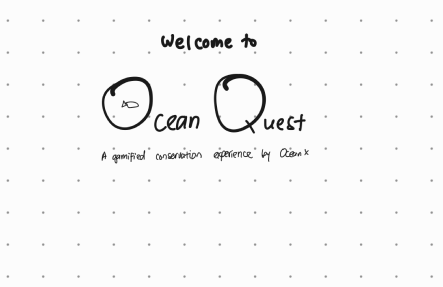
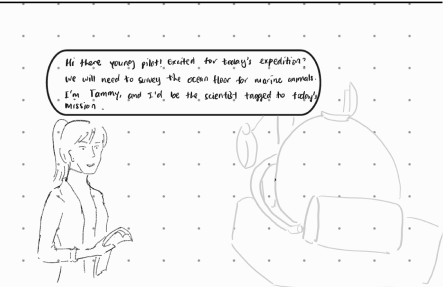
To communicate the narration and interactions clearly, I built a detailed storyboard. It aligned the team on the vision and kept the narrative and gameplay elements consistent as the build progressed.
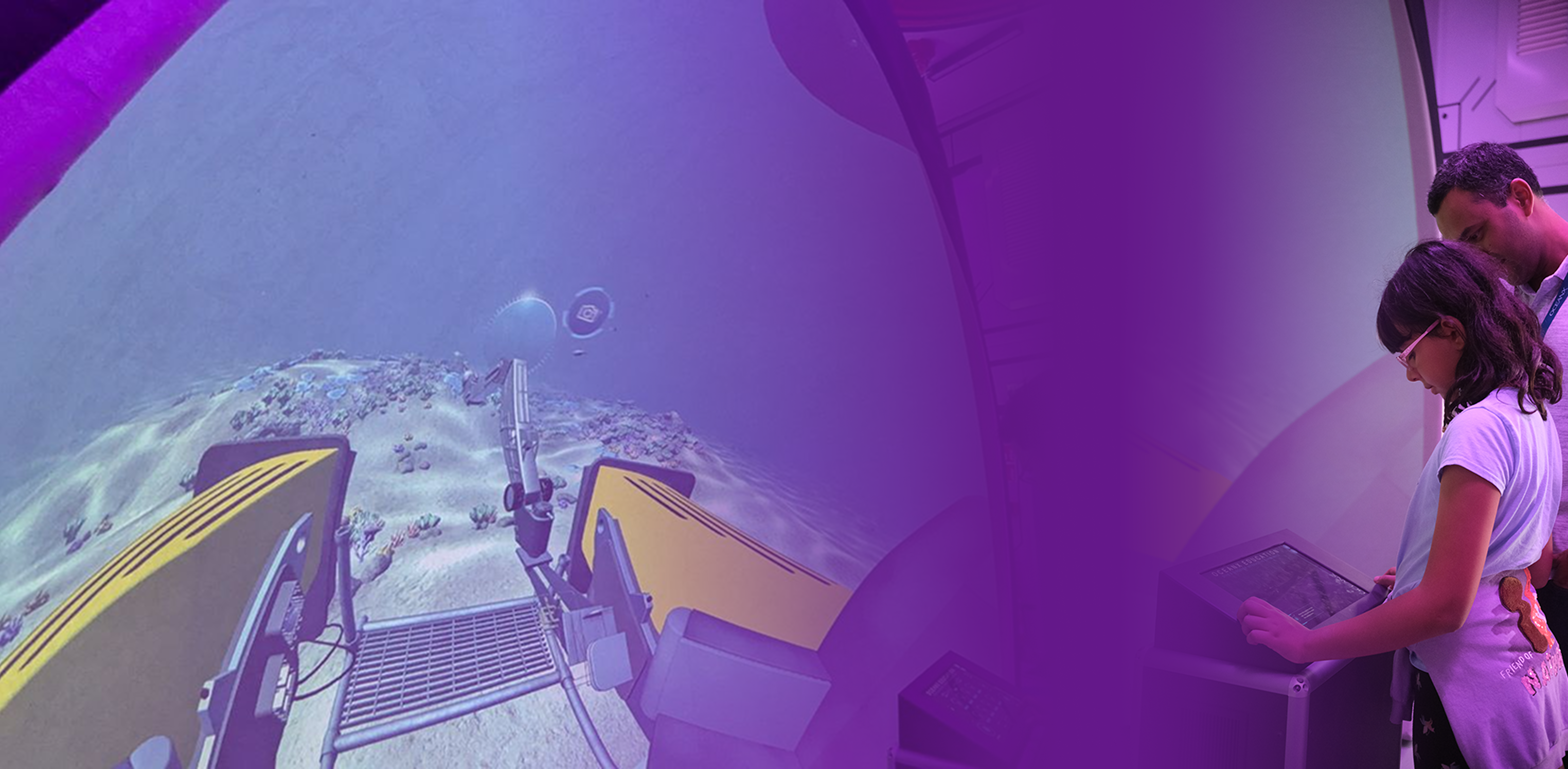
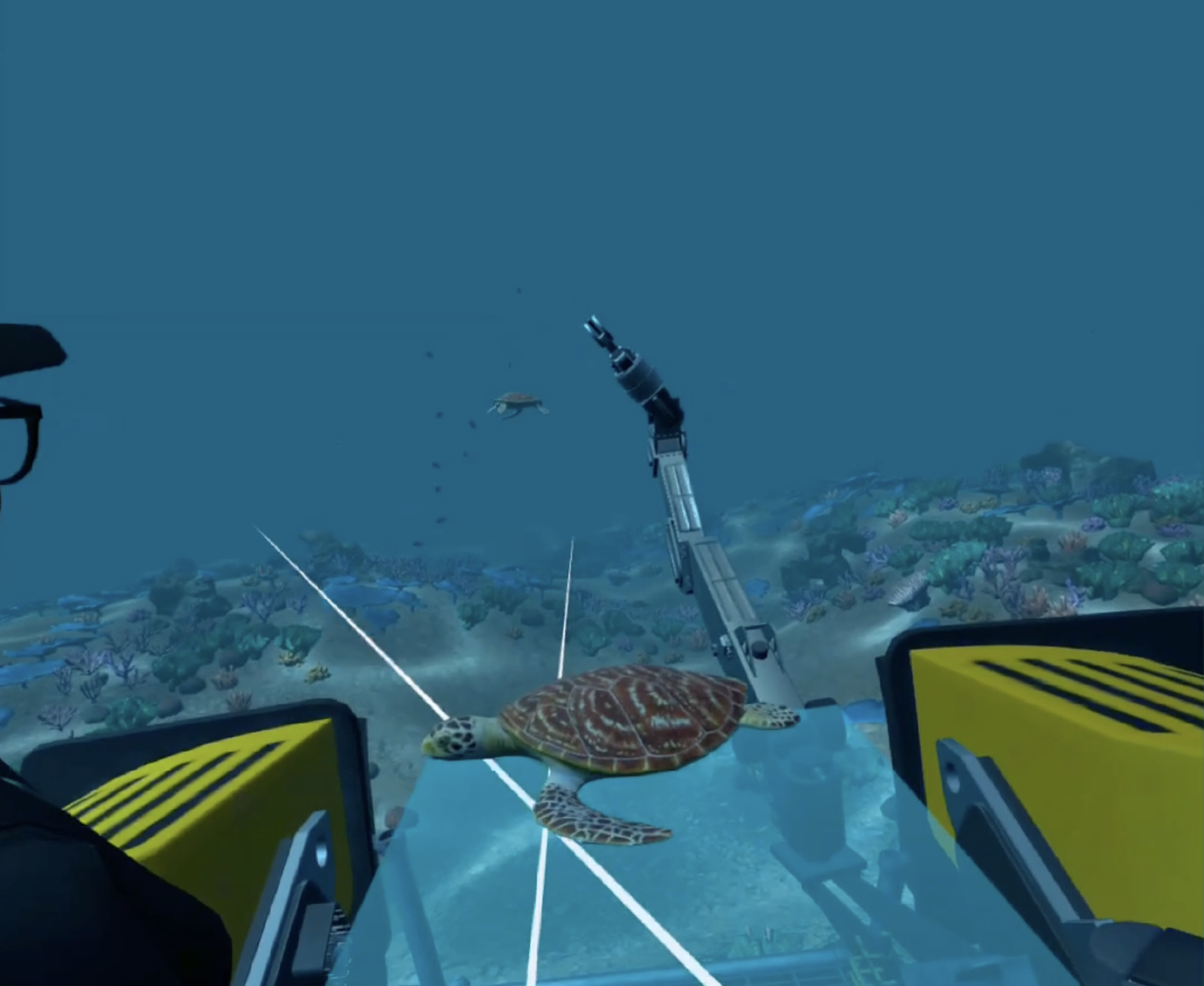
In the finished build, players pilot a submersible through Seychelles' reefs, tagging marine life with a laser pointer to complete the survey before time runs out.
03 / Art direction
Using Gen AI to produce preliminary art direction.
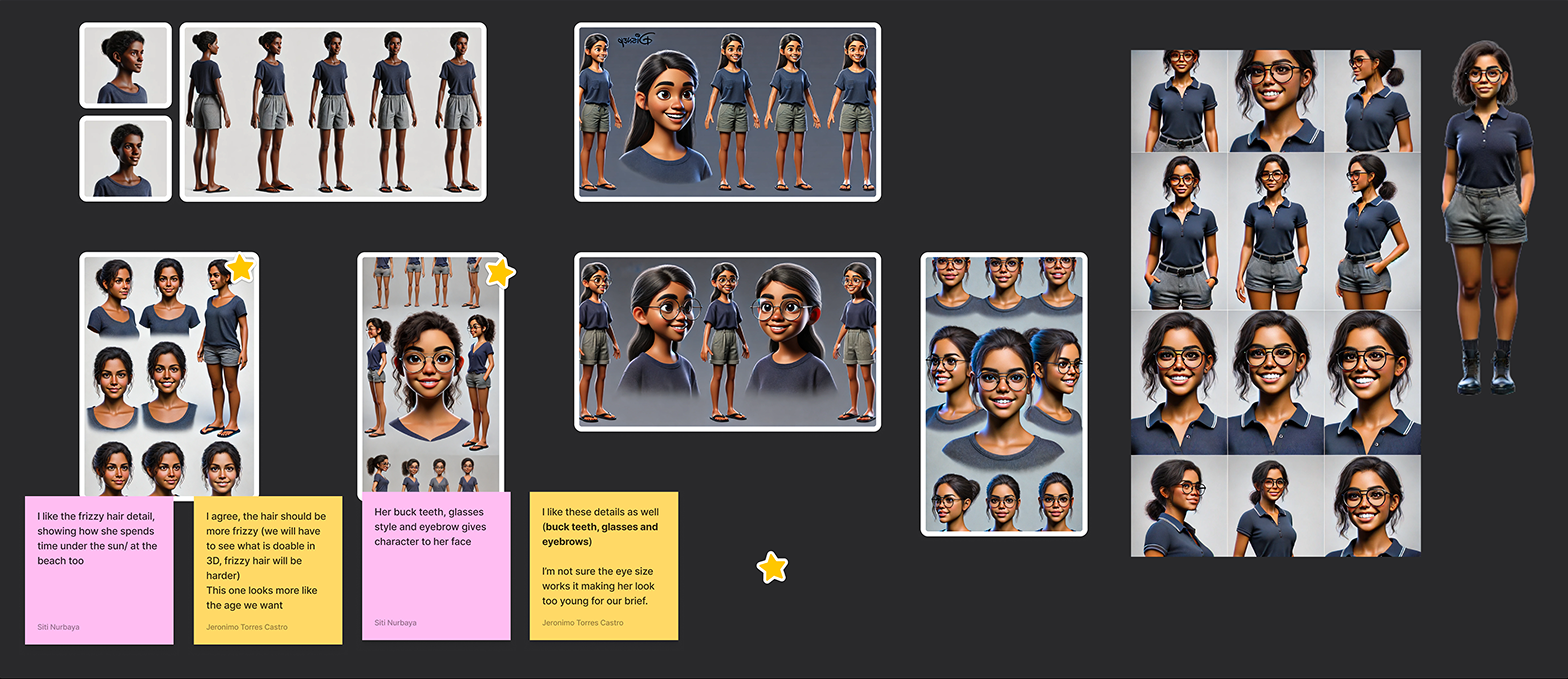
After the essentials were settled, I explored what could give the guide scientist, Tammy, more personality and depth — her skin tone, hairstyle, and uniform, tailored to reflect the region she represents and the game's context.
Iterating on 3D character models by hand is time-consuming and labour-intensive, so I used Dall·E to generate quick directions and speed up the stakeholder decision process.
04 / Reflection
The humbling experience of watching it live.
The game was showcased at a live event, and it was heartwarming to watch players return again and again just to beat their own score.
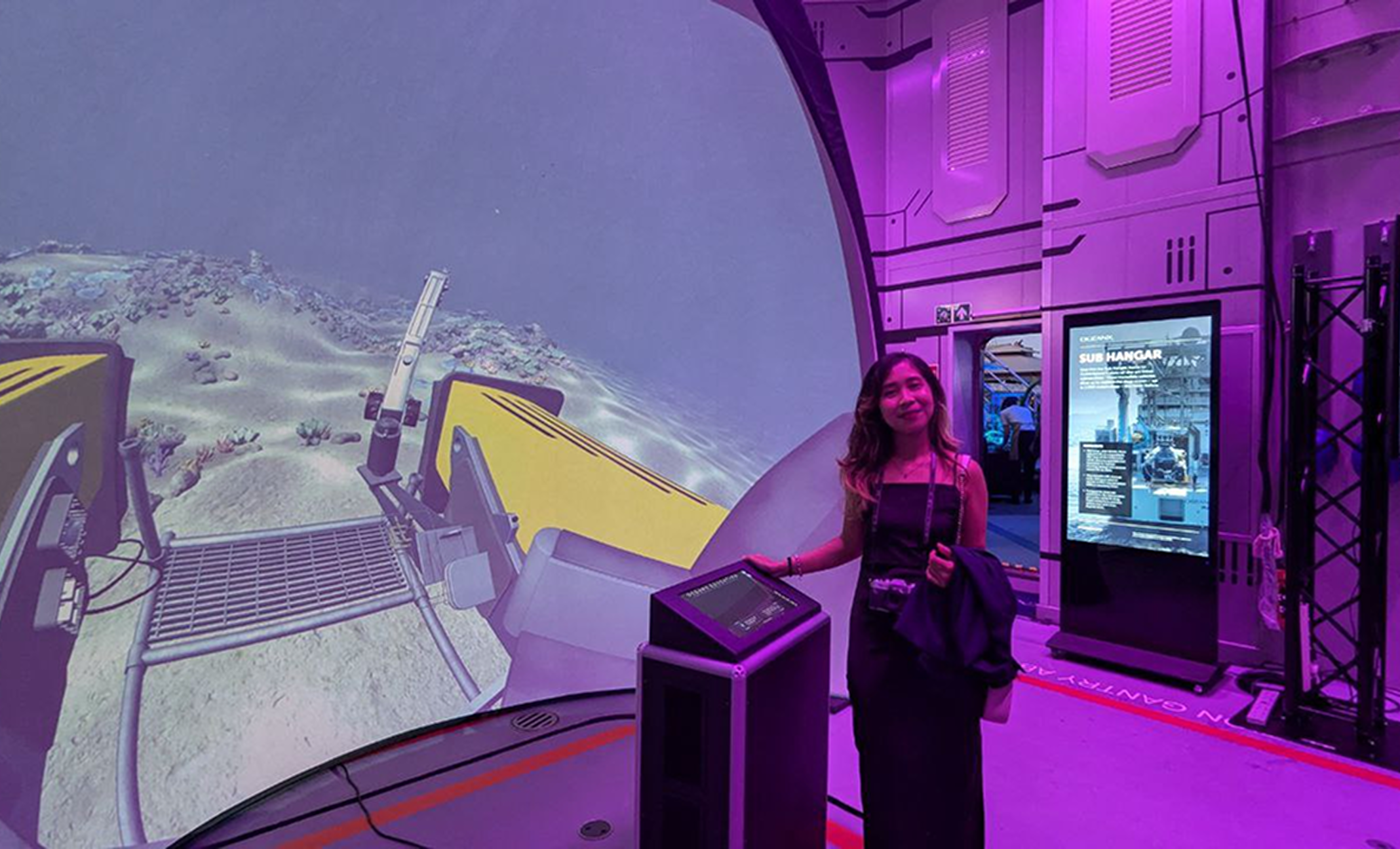
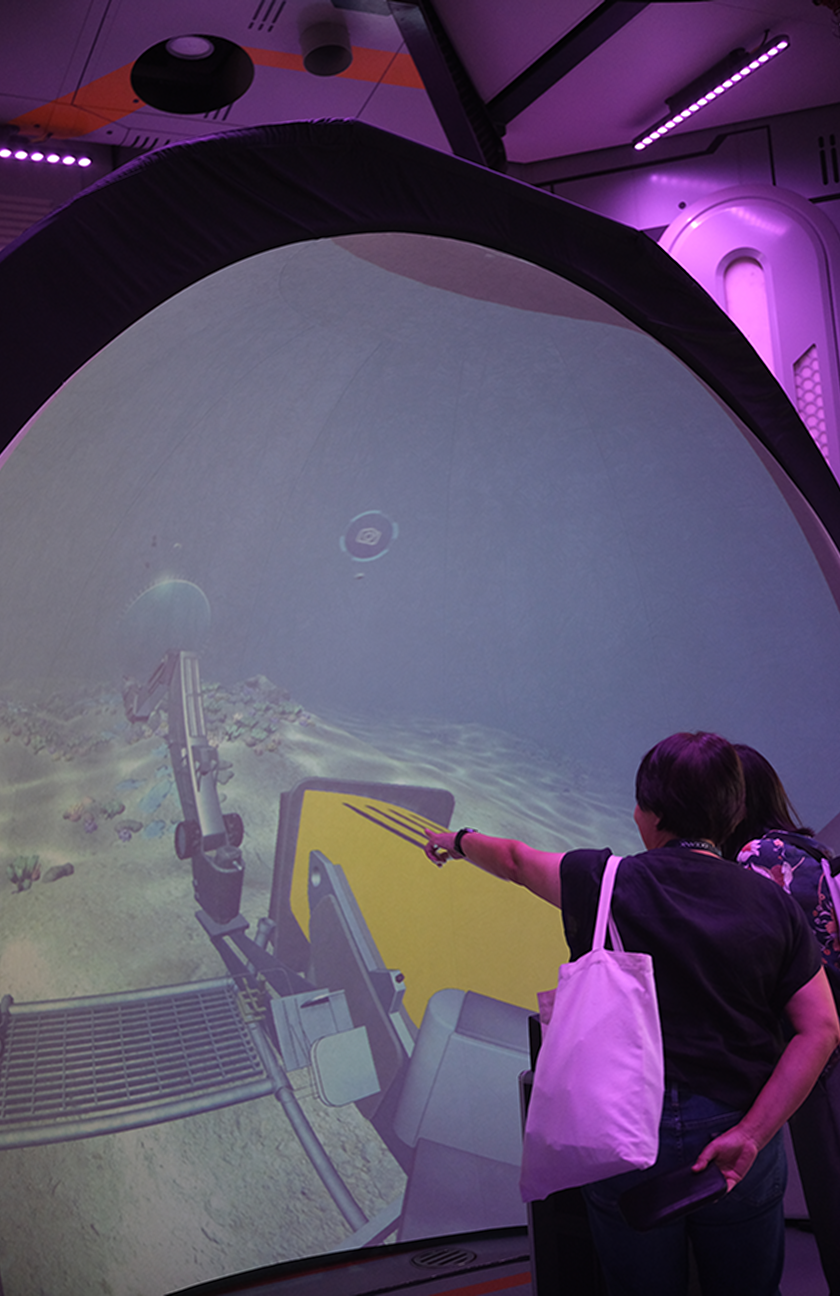
It was rewarding to witness that excitement and competitiveness firsthand. It also proved out the lore's scalability — both the fauna and the scientist character can be localised to different regions, which makes the format versatile well beyond Seychelles.
Growing up in a mountainous region, I'd always felt a personal closeness to nature. Watching kids get pulled into caring about a reef they may never see in person was the best outcome this project could have had.